Did you know that 70.19% of online shoppers abandon their carts before completing a purchase? This staggering rate, based on 49 different studies compiled by Baymard Institute, reveals that nearly 7 out of every 10 customers who add items to their cart leave without checking out.
Even more concerning is that this trend has been steadily rising since 2014, coinciding with the massive growth of online shopping—from $232 billion in ecommerce sales in 2012 to $870 billion in 2021 in the US alone. With such a high percentage of potential revenue slipping through the cracks, addressing cart abandonment has never been more crucial.
But why are so many customers abandoning their carts? And more importantly, how can you prevent it from happening to your store? In this article, we’ll explore the root causes of cart abandonment, dive into strategies you can implement to reduce it, and outline the best practices that can keep your customers engaged,and boost conversion rates.
Is your data actually Decision-Grade?
9 questions. 3 minutes. Score your Profitability Visibility and Readiness for AI-driven growth.
Start Free Diagnostic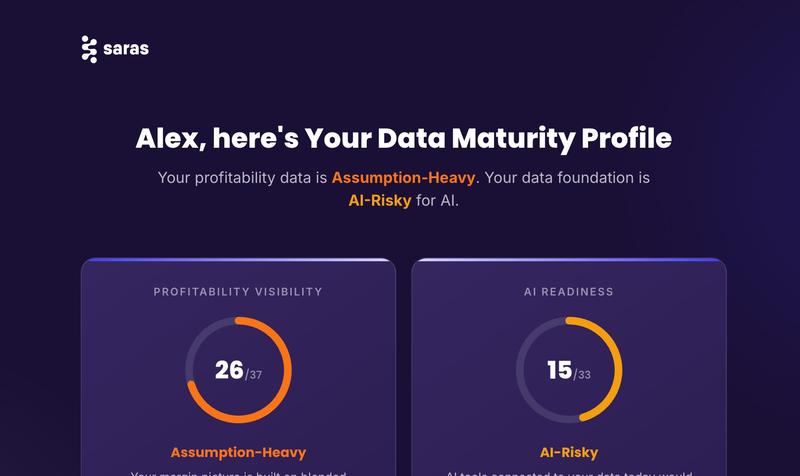
What is Shopping Cart Abandonment?
Shopping cart abandonment refers to the situation where customers add items to their online shopping cart but leave the website without completing the purchase. It’s a common issue faced by eCommerce businesses, as a significant number of potential sales are lost at this critical stage. While customers may have expressed interest in the product by adding it to their cart, various factors can cause them to abandon the purchase before finalizing it.
Understanding shopping cart abandonment is essential for improving your store's conversion rate and addressing potential friction points in the checkout process.
Why Looking After Shopping Cart Abandonment is Important for Businesses
Significant Revenue Loss
With nearly 70% of shopping carts abandoned, businesses are losing out on billions of dollars in potential sales every year. In fact, cart abandonment costs brands approximately $18 billion annually worldwide. By focusing on cart recovery strategies, businesses could potentially recapture up to $260 billion in lost revenue, making it one of the most significant opportunities for growth in eCommerce.
Lower Conversion Rates and ROI
High cart abandonment rates directly translate into lower conversion rates, which are a key metric for measuring how many visitors actually complete a purchase. When fewer customers make a purchase, return on investment (ROI) from marketing efforts diminishes. This inefficiency increases customer acquisition costs and puts a strain on marketing budgets, making it harder to justify spending on ads or promotions that don't lead to sales.
Erosion of Profit Margins
To compensate for the high abandonment rates, many businesses turn to aggressive discounts or promotions to encourage sales. While these strategies might bring in some immediate sales, they can erode profit margins and lead to long-term issues. Constantly offering discounts can diminish the perceived value of the products, or worse, devalue the brand in customers’ eyes, hurting profitability in the long run.
Loss of Customer Lifetime Value (CLV)
Repeated shopping cart abandonment is often a sign of dissatisfaction or friction in the buying process. This dissatisfaction can reduce customer engagement and loyalty over time, ultimately damaging the customer lifetime value (CLV). When customers repeatedly abandon their carts, it shows they may not be committed to your brand, and this could harm long-term relationships, affecting sustainable growth.
Risk of Losing Customers to Competitors
Around 26% of customers who abandon their shopping carts end up purchasing from a competitor. This not only represents lost sales but also erodes customer trust. If a shopper leaves your site and buys from another brand, it indicates they found a better experience, price, or offer elsewhere. Losing customers to competitors not only harms current revenue but also damages future revenue potential.
High Mobile Abandonment Rates
Cart abandonment rates are even higher for mobile users, with approximately 85.65% of carts abandoned on mobile devices. As more customers shop on smartphones and tablets, it becomes increasingly important for businesses to offer mobile-optimized shopping experiences. If mobile shopping is not seamless and easy to navigate, businesses risk losing sales from this growing segment of online shoppers.
How Do I Calculate the Shopping Cart Abandonment Rate?
The shopping cart abandonment rate is a key metric for understanding how many customers are abandoning their carts before completing the purchase. To calculate this rate, you’ll need to track both the number of shopping carts created and the number of purchases completed.
The formula for calculating the cart abandonment rate is:
Let’s break down the components:
- Initiated Checkouts
This refers to the total number of shopping carts that were created, or more simply, the number of times users added items to their cart and proceeded to the checkout page. It gives you an idea of how many people are starting the process of making a purchase. - Completed Purchases
This is the number of users who successfully completed the checkout process and finalized their purchase. It reflects how many customers followed through with the transaction.
For example, let’s say your online store had 1,000 initiated checkouts in a given period, but only 300 resulted in completed purchases. The cart abandonment rate would be:
(1 - (300 / 1000)) * 100 = 70%
This means that 70% of customers who started the checkout process abandoned their carts without completing the purchase.
10 Reasons why Shopping Cart Abandonment Happens
High Shipping Costs:
One of the biggest turn-offs for customers is high shipping costs. If shoppers expect affordable or free shipping and are suddenly hit with expensive shipping fees during checkout, they often decide not to complete the purchase and abandon their cart instead.
Complex or Lengthy Checkout Process:
A long or complicated checkout process can be frustrating. If there are too many steps, pages to fill out, or forms to complete, customers may get overwhelmed and quit before finishing the purchase. A simple, quick checkout process can help keep customers happy and reduce abandonment.
Lack of Payment Options:
If the store doesn’t offer the payment options your customers prefer, like credit cards, PayPal, or digital wallets, they might not feel comfortable completing their purchase. Having multiple payment options ensures everyone can pay the way they want, making it easier to finish the transaction.
Concerns About Security:
In today's world, online shoppers are worried about the security of their personal and payment information. If they don’t see signs that the website is secure (like a lock symbol in the browser or clear privacy policies), they may back out of the purchase, fearing their data might be at risk.
Website Performance Issues:
Nothing is more frustrating than a slow website. If the pages take too long to load or if the site crashes, customers can easily get frustrated and leave before completing their order. A fast, responsive website makes the shopping experience smoother and more likely to result in a sale.
Comparison Shopping:
Many people add items to their cart just to compare prices or check out different options. They might not be ready to buy yet and could abandon the cart once they find a better deal or decide not to purchase at all.
No Guest Checkout:
Forcing customers to create an account before buying can be a big barrier. Many people just want to buy quickly without setting up a new account. Allowing customers to check out as a guest without making them register first can prevent cart abandonment.
No Express Checkout:
Shoppers love convenience. If they can’t quickly pay with options like PayPal, Apple Pay, or Google Pay, they may get frustrated and abandon their cart. These express checkout options let customers make a purchase in just a couple of clicks, saving time and hassle.
Unexpected Total Price:
Sometimes, shoppers get to the checkout and discover extra charges like taxes, fees, or other costs they weren’t expecting. When the final price is much higher than they thought, they might decide to abandon the cart.
Lack of Trust Signals or Reviews:
Customers want to feel secure and confident when shopping online. If they don’t see things like customer reviews, security badges, or money-back guarantees, they might hesitate to complete their purchase. Trust signals help reassure customers that the site is reliable and safe to buy from.
Strategies to Reduce Shopping Cart Abandonment
Leverage First-Party Data for Personalization
Using first-party data—information gathered directly from your customers—can significantly enhance the shopping experience. By analyzing past behaviors, preferences, and purchase history, you can personalize product recommendations, offer relevant discounts, and create a more tailored shopping experience. Saras iQ allows you to easily analyze customer data and segment your audience, ensuring you deliver personalized experiences that drive conversions and reduce abandonment.

Simplify and Streamline Checkout
A complicated checkout process is one of the leading causes of cart abandonment. To reduce friction, aim to simplify the process by minimizing the number of steps required and reducing the amount of information you ask for. Saras iQ can provide daily-refreshed insights into which checkout stages are causing friction and where customers drop off, helping you optimize the process and reduce abandonment.
Transparent Pricing
Pricing transparency is critical to building trust and preventing abandonment at checkout. Ensure that all costs, including product price, shipping fees, taxes, and any additional charges, are displayed early in the shopping process. With Saras iQ, you can track and monitor how changes in pricing or shipping options impact abandonment rates, allowing you to adjust pricing strategies and improve the customer experience.
Use Live Chat and AI-Powered Chatbots
Offering real-time support can make a big difference in preventing cart abandonment. Live chat allows customers to ask questions about products or the checkout process, easing any doubts they may have. Additionally, AI-powered chatbots can guide shoppers with personalized recommendations, address concerns, and even offer discounts to encourage them to complete their purchase. Saras iQ integrates seamlessly with customer service tools, helping you track common queries and address pain points proactively.
Exit-Intent Pop-Ups and Retargeting Ads
Sometimes, customers leave the site without completing their purchase. Exit-intent pop-ups are triggered when customers are about to leave, offering last-minute discounts, reminders, or incentives to encourage them to complete the transaction. Retargeting ads can also help bring back visitors who abandoned their carts by showing them ads for the products they left behind, nudging them to return and complete the purchase. Saras iQ helps track customer behavior and identify key moments for retargeting, enabling you to run more effective campaigns that bring users back and lower abandonment rates.
.webp)
Send Cart Recovery Emails and Push Notifications
Sometimes customers just need a little reminder to complete their purchase. Cart recovery emails are a great way to follow up with shoppers who abandoned their carts. You can offer personalized incentives like discounts or free shipping to entice them to return. Similarly, push notifications can serve as a timely reminder, especially if customers have opted in for notifications on their mobile devices. Saras iQ enables you to track customer interactions and automatically send personalized reminders at the right time, increasing the chances of recovering abandoned carts.
Offer Flexible Shipping Options and Clear Delivery Info
Shipping costs and delivery times play a major role in purchasing decisions. Make sure customers can see available shipping options on product pages before they even add items to their cart. Offering flexible shipping options (like express shipping, standard shipping, or free shipping) allows customers to choose the option that best fits their needs, reducing cart abandonment due to unexpected shipping costs or delays.
Include Product Thumbnails and Descriptions in the Cart
Having product thumbnails and brief descriptions displayed in the shopping cart can serve as a reminder to customers of what they’ve selected. This can reduce confusion or second-guessing and reinforce their purchasing decision. Clear visuals and key product details ensure that customers know exactly what they’re buying, leading to fewer abandoned carts.
Build Trust with Secure Checkout and Transparent Policies
Trust is a major factor in completing an online purchase. Make sure your checkout process is secure by using encryption and displaying trust signals such as SSL certificates. Additionally, clearly visible and accessible return and refund policies help build confidence, reassuring customers that they can return the product if needed.
Best Practices for Crafting High-Converting Cart Abandonment Emails
When a customer abandons their cart, sending a well-crafted cart abandonment email is a powerful way to bring them back to your site and encourage them to complete their purchase. Here are the best practices for creating emails that convert:
Personalization
Personalizing your cart abandonment emails makes them feel more relevant to the customer. Use the customer’s name in the subject line or greeting to catch their attention. Also, include details about the items left in their cart, such as product names, images, and descriptions. Personalization creates a connection and increases the likelihood of the customer returning to complete the purchase.
Urgency
Create a sense of urgency to encourage customers to act quickly. You can do this by adding a limited-time offer (such as a discount or free shipping) or by highlighting that the items in the cart are running low on stock. Phrases like “Hurry, only a few left!” or “Your cart is about to expire!” push customers to take immediate action before they miss out.
Trust-Building Elements
Trust is key to getting customers to finalize their purchase. Include customer reviews, testimonials, or trust badges (like secure checkout or satisfaction guarantees) to reassure customers that they are buying from a reliable brand. When customers feel confident in their decision, they are more likely to complete the purchase.
Clear Call-to-Action
A clear call-to-action (CTA) is essential in guiding the customer on what to do next. Whether it’s returning to their cart to complete the purchase or taking advantage of a limited-time offer, make sure the CTA stands out and is easy to understand. Phrases like “Complete Your Order” or “Claim Your Discount” are simple, direct, and effective.
Reminder of Items Left in the Cart
Reinforce the products left behind by showing images and descriptions of the items. This serves as a reminder of what they were interested in and helps them visualize their purchase. Including a clear product thumbnail can trigger memories of why they added it to their cart in the first place, increasing the chances of conversion.
Make It Mobile-Friendly
Since most customers will be viewing the email on their mobile devices, it’s crucial that your cart abandonment email is mobile-friendly. Ensure that the email design is responsive, easy to read, and the buttons are large enough to tap on mobile screens. A seamless mobile experience can improve click-through rates and conversions.
Timing
The timing of your cart abandonment emails is crucial. Send the first email within an hour of abandonment to catch customers while their interest is still fresh. Follow up with a second email 24 hours later as a gentle reminder. This gives customers enough time to reconsider their purchase without being too pushy.
Monitor and Optimize
To improve the effectiveness of your cart abandonment emails, it’s important to monitor and optimize their performance. Regularly test different subject lines, offers, and design elements to see what resonates best with your audience. A/B testing is a great way to determine which emails have the highest open and conversion rates, allowing you to fine-tune your approach over time.
Reduce Shopping Cart Abandonment for Better Conversion Rates with Saras Analytics
Shopping cart abandonment is one of the most significant challenges faced by eCommerce businesses today, and addressing it effectively can have a major impact on your bottom line. By implementing strategies like personalization, simplifying the checkout process, offering multiple payment options, and building trust with your customers, you can drastically reduce abandonment rates and recover lost sales.
With the right tools, such as Saras Analytics, you can gain valuable insights into customer behavior, identify friction points in your checkout process, and optimize your site’s performance to boost conversion rates. Saras Analytics offers solutions like Saras iQ, which helps you track and analyze shopping cart abandonment trends, personalize customer interactions, and implement data-driven strategies to improve your sales funnel.
By leveraging powerful analytics and continuously refining your approach, you can turn abandoned carts into completed purchases, ultimately improving your customer experience, increasing conversions, and driving more revenue.
.webp)
%201%20(1).svg)
.svg)









.jpg)

%20Statistics%20in%202026.jpg)


%20Software%20for%20DTC%20Brands%20in%202026.png)



%20Setup%20Guide%20for%20Ecommerce%20Finance%20Team.png)








.webp)
.webp)
.webp)
.webp)
.webp)